


A City That Keeps the World
Viana do Castelo
On 20 January 1848, by decree of Queen Maria II, Viana was elevated to the status of a city and adopted the name that identifies it across the globe today: Viana do Castelo. Yet its history runs much deeper; the archaeological remains on Mount Santa Luzia bear witness to continuous occupation since the Iron Age.
Today, Viana do Castelo is a vibrant and multifaceted city: an open-air museum, a benchmark for contemporary Portuguese architecture, a destination for nature and water sports, and the stage for one of Portugal's grandest festivals. A city with a heart, as its people say—and the gold filigree adorning its women confirms it at every turn.
What to see
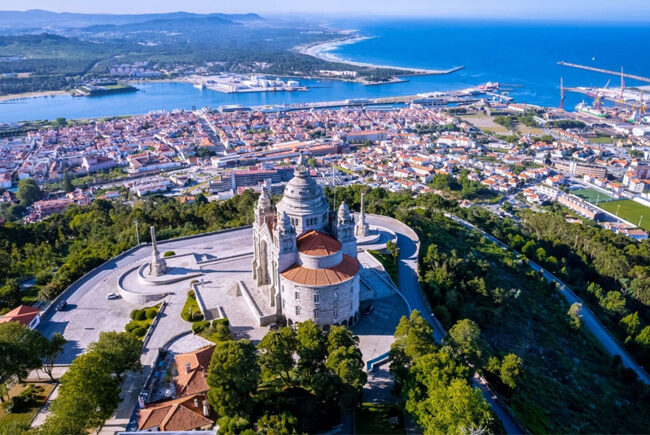
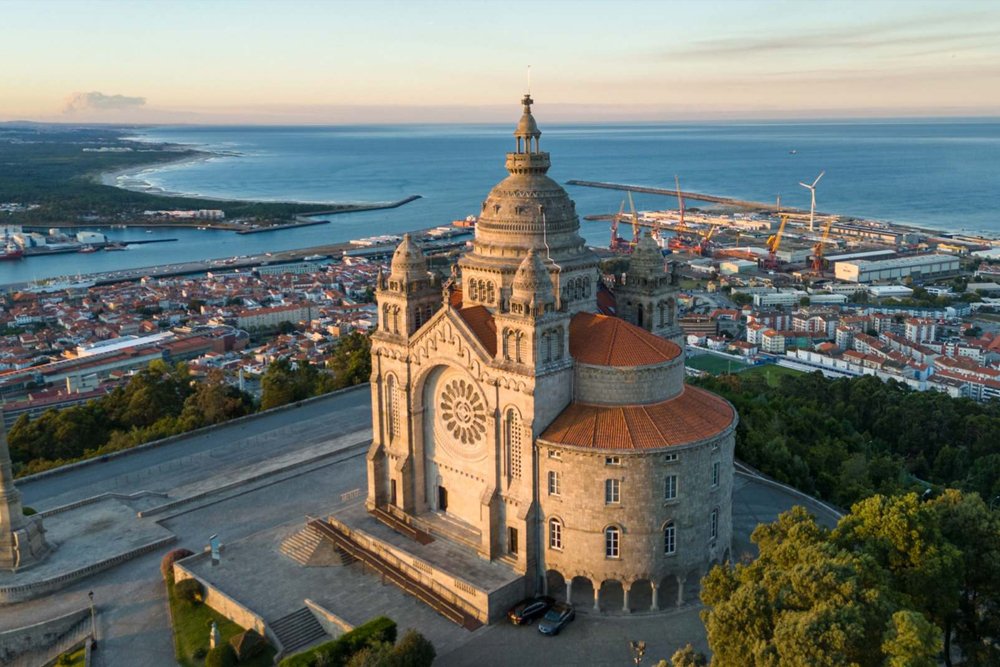
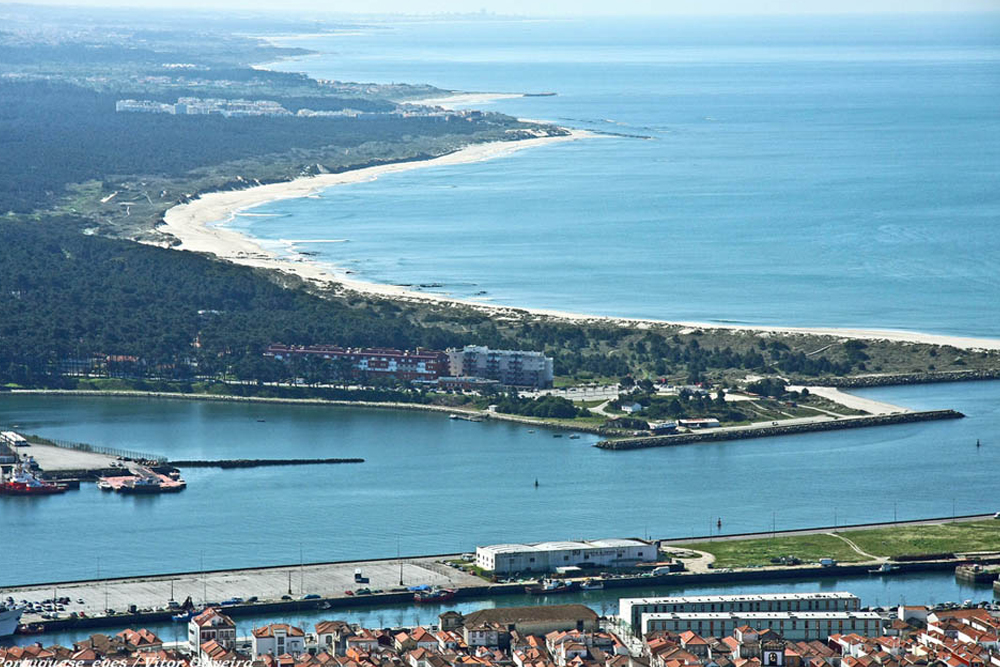
Perched at the top of Mount Santa Luzia at an altitude of 650 metres, this imposing Neo-Byzantine sanctuary inspired by Paris's Sacré-Cœur dominates the city and the Lima estuary. The ascent can be made on foot, by car, or via the funicular railway. The view over the river, the ocean, and the city is simply unforgettable—and is even visible from the marina pontoons themselves.
Praça da República and the Historic Center
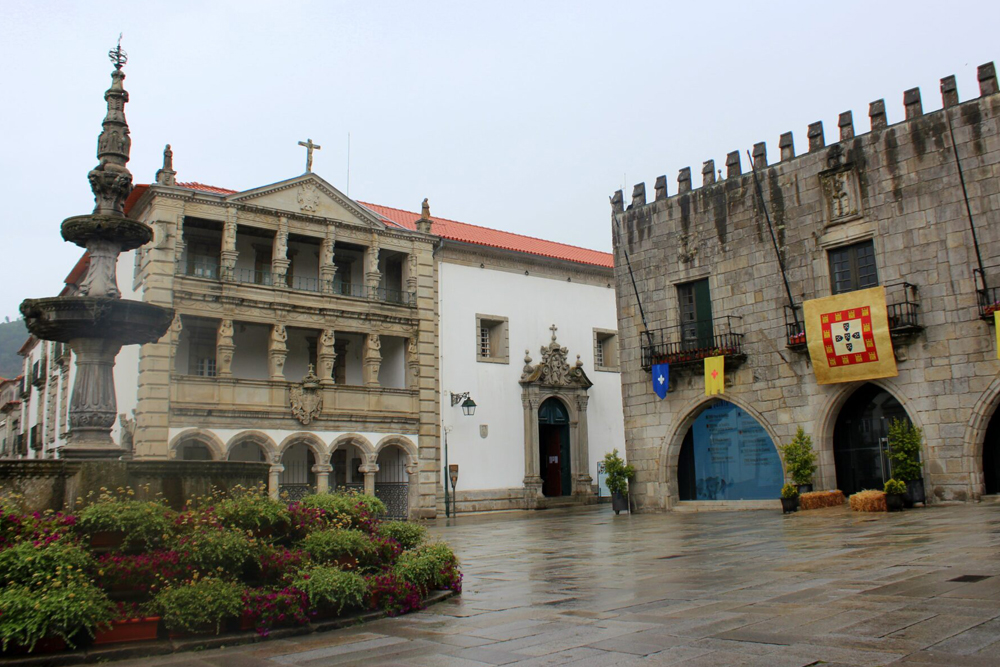
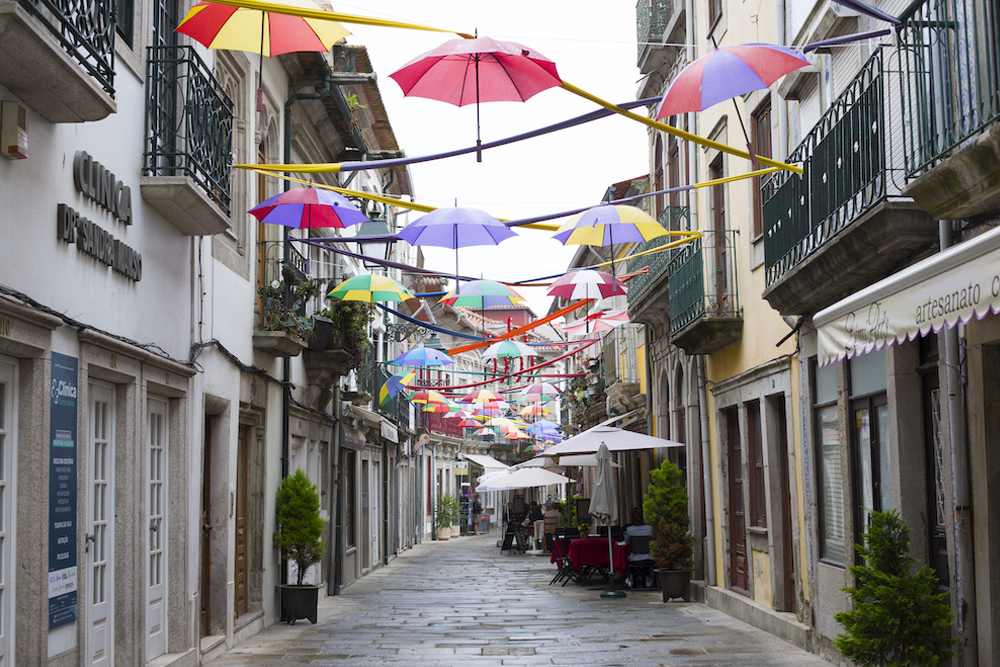
The heart of the city. Surrounded by blazoned facades, centuries-old azulejo tile panels, and 16th-century buildings—such as the Cathedral, the Casa da Misericórdia, and the old Paços do Concelho (Town Hall)—Praça da República is an essential gathering point for anyone visiting Viana.
Gil Eannes Hospital Ship
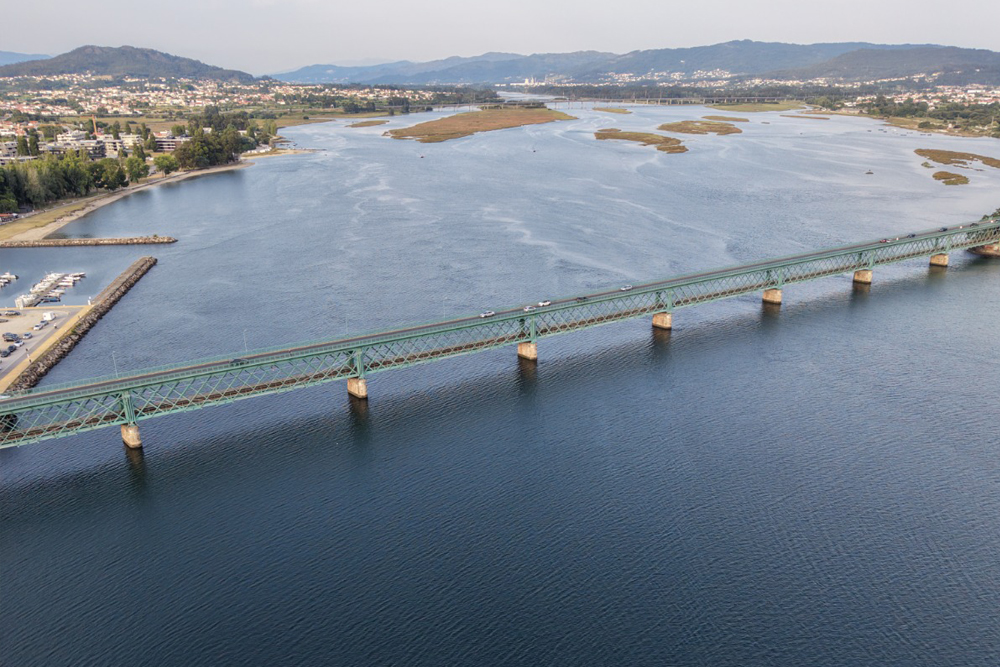
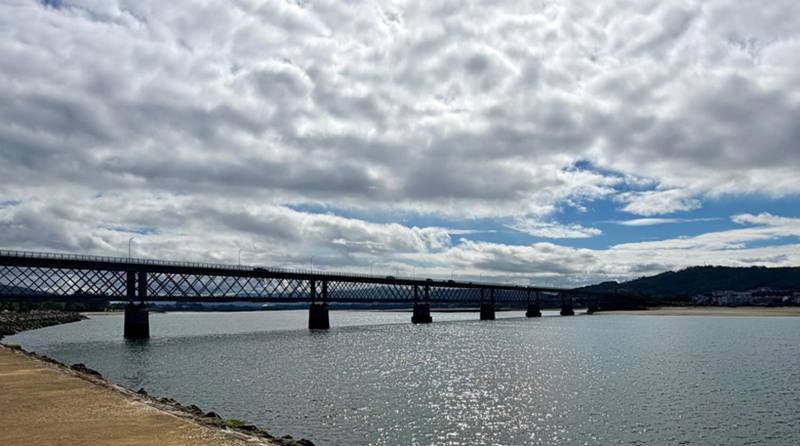
Eiffel Bridge
Forte de Santiago da Barra
A 13th-century fortress offering spectacular views over the Lima estuary and the Atlantic. In August, it becomes the stage for the NEOPOP Festival—one of Portugal’s most unique electronic music festivals, with the ocean as its backdrop.
Museu do Traje (Costume Museum)
Contemporary Architecture
Viana is also a benchmark for modern Portuguese architecture. The Municipal Library by Álvaro Siza Vieira, the Cultural Center by Souto de Moura, and the buildings by Fernando Távora form a unique ensemble on the national stage.
Beaches
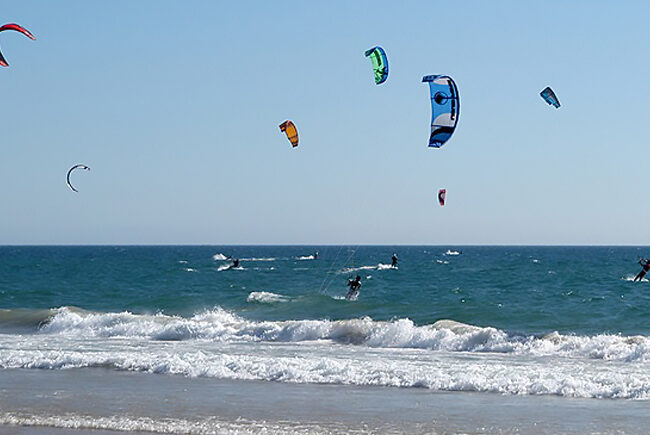
Cabedelo Beach—the one that mariners leave to starboard when entering the harbor—is one of the most beautiful on the Minho Atlantic coast and one of the best kitesurfing and windsurfing spots in Portugal. It is followed by the beaches of Amorosa, Arda, and Afife, all of which are Blue Flag certified and boast exceptional landscapes.
Festivals and Events
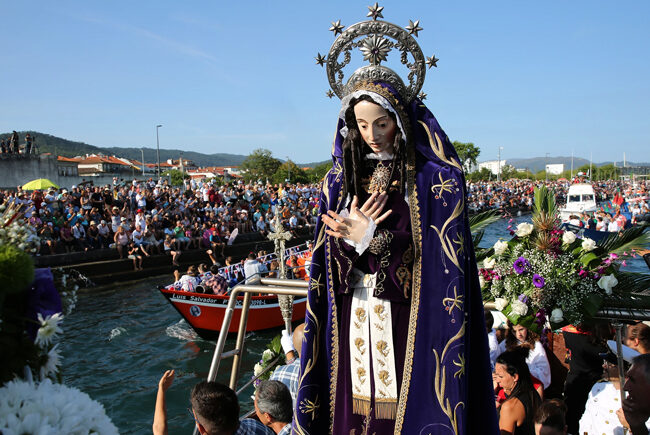
The Festival of Saint John (Festa de São João) on 24 June celebrates the summer solstice with bonfires, traditional dances, and games. In August, the NEOPOP Electronic Music Festival transforms the Forte de Santiago da Barra into one of Portugal's most spectacular music stages, with the Atlantic Ocean providing the ultimate backdrop. Every Saturday from May to September, local folklore groups bring the Praça da República to life with traditional dances, songs, and regional products.
Gastronomy
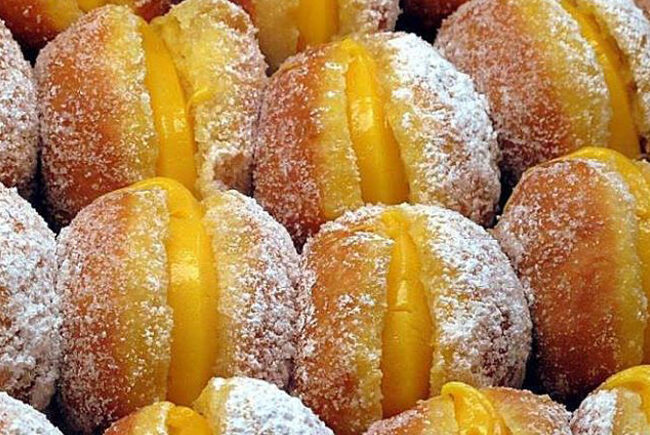
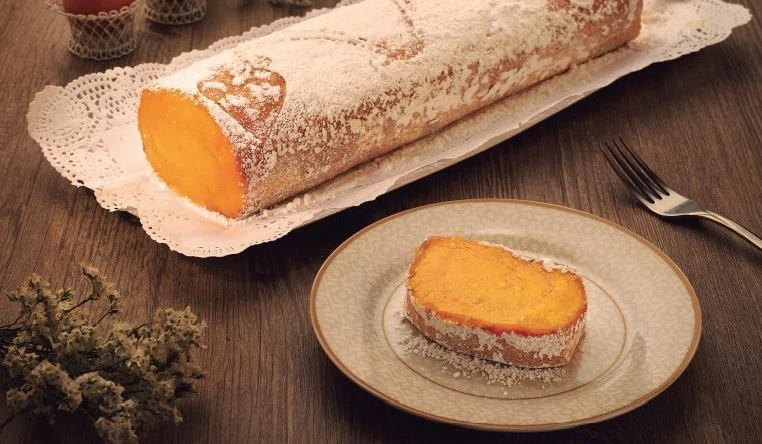
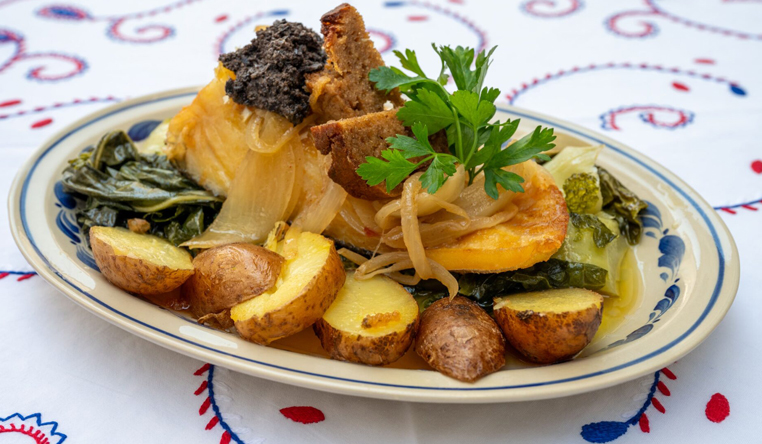
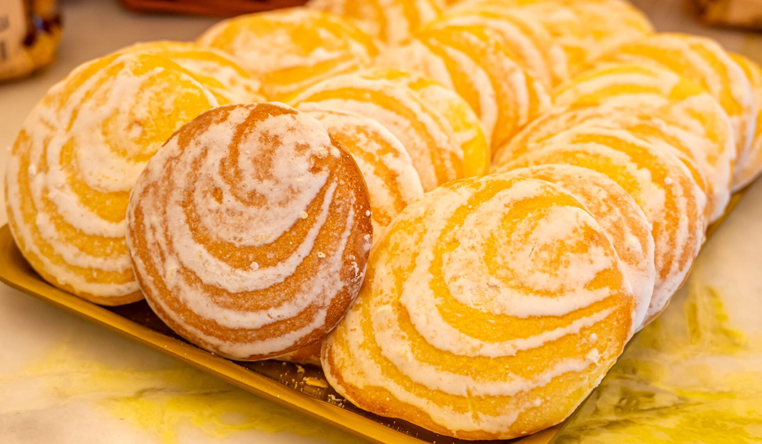
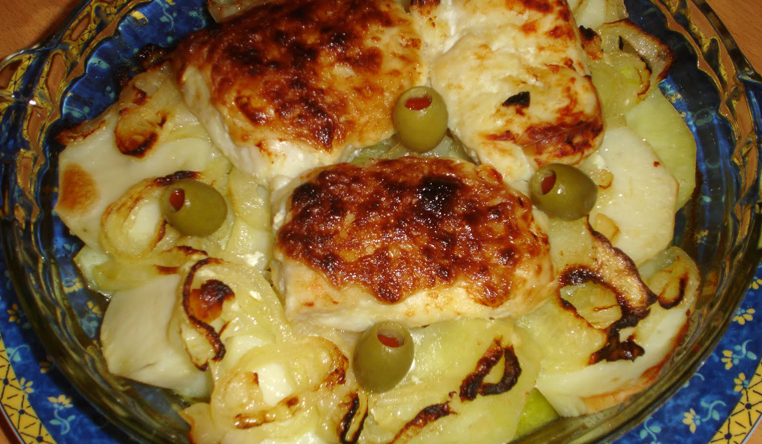
Viana do Castelo has always shared a deep connection with codfish. Among its countless dishes, the standout is Bacalhau à Viana (Viana-style cod), prepared on a bed of onions and peppers, and finished with a generous drizzle of olive oil. The cuisine of the Minho region is equally generous with pork, cornbread (broa), and comforting broths: rojões (marinated fried pork chunks) served with papas de sarrabulho (a rich, traditional savory porridge), arroz de polvo malandrinho (soupy octopus rice), and caldeirada à vianense—a traditional fish stew made with the catch of the day and tomatoes. To sweeten the palate, enjoy a slice of Torta de Viana—the city's certified signature pastry—paired with a chilled glass of Vinho Verde, especially a local Alvarinho from the Minho region.